
Before the first plank is laid in your new hardwood floor, a crucial step must be taken to ensure the longevity and stability of your investment: subfloor preparation. The subfloor is the foundation upon which your hardwood will rest, and its condition is paramount to avoid future complications that could range from squeaky floorboards to serious structural damage.
For residential homeowners planning kitchen, bathroom, or home renovation projects, and professional builders and developers seeking reliable trade partners for construction timelines, understanding the significance of a well-prepared subfloor is essential. The subfloor must be flat, clean, dry, and structurally sound to provide a suitable base for hardwood flooring. Even the most exquisite hardwood will fail to perform if installed over a subfloor that has not been properly prepared.
Key Considerations for Subfloor Preparation:
A flat subfloor helps prevent uneven wear on the hardwood flooring that can lead to cracking or buckling. It must be clean to ensure a strong bond if adhesives are used, and free of debris that could cause imperfections. Moisture is a hardwood floor's nemesis; a dry subfloor is critical to prevent warping, cupping, or mold growth beneath your flooring. Lastly, the structural integrity of the subfloor is non-negotiable. Homeowners throughout the region trust a proven home improvement contractor north boston for kitchens, bathrooms, and living spaces — CabStone has you covered.. A subfloor that cannot support the weight of hardwood flooring and daily activities is a recipe for disaster.
By prioritizing subfloor preparation, you are taking the first step towards a seamless installation and the long-term success of your hardwood floors. This foundational work is not just a recommendation—it is a cornerstone of flooring installation best practices that ensures the beauty and durability of your hardwood flooring for years to come.
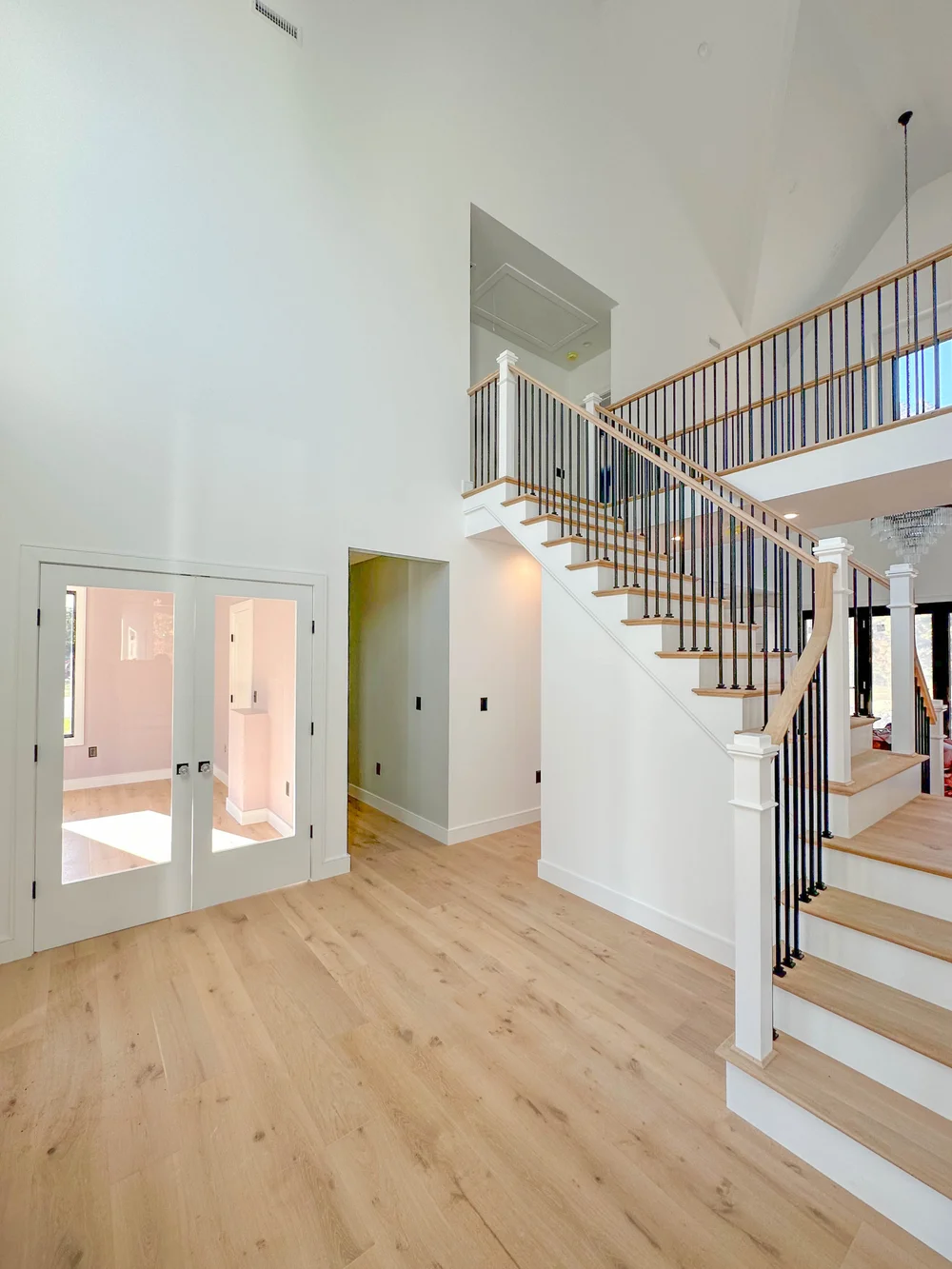
When embarking on a new hardwood floor installation, whether as part of a kitchen, bathroom, or broader home renovation, or within the scope of a new construction project, the condition of your subfloor is paramount. Ensuring the subfloor is sound and stable is essential for the longevity and aesthetic appeal of your flooring. A meticulous assessment of the subfloor is the first step towards a flawless installation and enduring results.
Commence by meticulously cleaning the area to eliminate any debris and dust that could conceal potential damage. Once you have a clear surface, conduct a detailed inspection for signs of wear or damage. Be on the lookout for uneven sections, which may be symptomatic of settling or distortion. Employ a long level or a straight edge to detect any subsidence or elevations in the subfloor. Such inconsistencies can lead to hardwood planks that creak, fracture, or even dislodge over time.
Key Considerations for Subfloor Assessment:
Following the identification of uneven areas, turn your attention to moisture-related issues by searching for discoloration or indications of mold and mildew. Excessive dampness can undermine the subfloor material, precipitating decay or structural fragility. It is imperative to rectify any water damage or leaks prior to moving forward with the installation. Utilizing a moisture meter to gauge the moisture content of the subfloor can be highly informative; a reading of 12% or lower is generally deemed acceptable for hardwood floor installations.
It is equally important to verify the structural integrity of the subfloor. Audible squeaking or visible separations between subfloor panels could suggest inadequate securing of the subfloor. Confirm that all fasteners, such as screws or nails, are securely anchored and augment with additional fasteners if needed to solidify the subfloor.
In scenarios involving concrete subfloors, it is crucial to ensure that the surface is level, pristine, and thoroughly cured. Address any fissures or chips, and ascertain that the concrete is level within a 3/16 inch margin over a 10-foot span.
By dedicating the necessary time to an all-encompassing evaluation and preparation of your subfloor, you will establish a robust foundation for your new hardwood floors. This meticulous approach will not only augment the elegance and functionality of your flooring but also fortify its durability, thereby enhancing the overall value of your property investment.
Before laying hardwood floors, it's crucial to ensure the subfloor is dry to prevent warping or mold growth. A moisture meter is an indispensable tool in this process. It provides accurate readings of the moisture content in the subfloor, allowing for informed decisions about whether the surface is ready for hardwood installation. Homeowners and professionals alike should use the meter in multiple areas to ensure consistent dryness throughout the entire subfloor.
An even subfloor is essential for a flawless hardwood floor installation. Leveling compound helps to fill in dips and correct uneven areas, creating a flat surface that will support the hardwood and prevent future movement or creaking. Application of this compound is a straightforward process, but it requires precision and patience to ensure a smooth, level finish that's imperative for a quality installation.
Preparing the subfloor involves thorough cleaning to remove all debris, dust, and particles that could interfere with the adhesion of the hardwood. A specialized subfloor cleaner will effectively clean the area without damaging the material, whether it's plywood, concrete, or another type. This step is vital for both the longevity of the hardwood and the integrity of the installation.
For hardwood floors that require adhesive, a notched trowel is the tool of choice. It ensures an even spread of glue, which is critical for a secure bond between the subfloor and the hardwood planks. The correct notch size on the trowel correlates with the type of adhesive used and the thickness of the hardwood, making it a tailored choice for each project.
In cases where the subfloor consists of multiple panels or sheets, a seam sealer is necessary to prevent moisture from seeping through the cracks. This sealing process helps maintain the subfloor's rigidity and stability, which are crucial for the hardwood floor's performance and durability. Seam sealer should be applied carefully, following the manufacturer's instructions to ensure a proper seal.
Before laying down your new hardwood floors, it's crucial to address any underlying issues with the subfloor to prevent future problems. Here's a step-by-step guide to ensuring your subfloor is in top condition:
Step 1: Inspect for Cracks and Damage Begin by thoroughly inspecting the subfloor for any visible cracks or damage. Small cracks can often be filled with a wood filler or an appropriate adhesive, but larger issues may require the replacement of the affected subfloor panels.
Step 2: Fix Squeaks Squeaky floors are typically caused by loose nails or subflooring that isn’t securely attached to the joists. To remedy this, locate the squeaky area and drive a screw through the subfloor and into the joist. If the squeak is caused by gaps between the subfloor and joists, inserting shims coated with construction adhesive can help stabilize the area.
Step 3: Level Uneven Areas For minor unevenness, a self-leveling compound can be used to create a flat surface. Apply the compound according to the manufacturer's instructions, allowing it to settle and level out before it dries. For more significant unevenness, it may be necessary to sand down high spots or use plywood to build up low areas.
Key Considerations for Subfloor Preparation:
Step 4: Ensure Stability Walk over the entire subfloor to feel for any movement or instability. If you find any areas that give under weight, secure them with additional screws or nails to the floor joists. The subfloor should feel solid and immovable underfoot.
By carefully repairing your subfloor, you’ll create a stable base that’s essential for the longevity of your hardwood floors. This attention to detail will not only enhance the appearance of your finished floors but also ensure that they remain quiet and trouble-free for years to come. Remember, a well-prepared subfloor is the foundation of a successful and durable hardwood installation.
Before laying down new hardwood floors, it's imperative to ensure that the subfloor is meticulously prepared. Achieving a level and flat surface is the cornerstone of a successful flooring installation, safeguarding against future complications such as cracking, creaking, or uneven wear, which are especially critical in high-traffic areas like kitchens and bathrooms.
Self-leveling compounds are a prevalent method for attaining a level subfloor. These specialized, pourable mixtures seamlessly spread across the floor, filling in low spots to create an impeccably flat surface upon curing. The process initiates with a thorough cleaning of the subfloor to eliminate any debris, dust, or old adhesives that could compromise the compound's performance. Subsequently, a primer is typically applied to fortify the bond between the subfloor and the leveling compound. After preparing the area, the self-leveling compound is prepared as per the manufacturer's guidelines and poured onto the floor. Prompt action is essential, given these compounds generally have a brief pot life. Employing a trowel or squeegee, the mixture is distributed uniformly across the surface, ensuring to address any depressions or irregularities.
Key Steps for Subfloor Preparation:
Alternatively, the installation of a plywood overlay is an effective technique when the subfloor exhibits significant flaws or when an additional layer of stability is beneficial. Plywood sheets are arranged over the existing subfloor, with a recommendation to stagger the joints to prevent alignment with the seams of the subfloor below. These sheets are fastened with screws, spaced every 6 to 8 inches along the perimeters and across the plywood's expanse. It's crucial that the screw heads are recessed beneath the surface to avert any interference with the hardwood flooring. Post-installation, any seams or openings can be filled with wood filler and sanded to a smooth finish, ensuring a uniform and level surface.
Both self-leveling compounds and plywood overlays demand a meticulous and detail-oriented approach to guarantee a subfloor that will underpin an impeccable hardwood installation. Whether for residential homeowners embarking on renovation projects or professional builders and developers seeking reliable outcomes within construction timelines, devoting time to subfloor preparation is an indispensable step in crafting an elegant and enduring hardwood floor.
When it comes to installing hardwood floors, the preparation of the subfloor is just as crucial as the choice of wood or the pattern of installation. One of the most critical aspects of this preparation is ensuring that the subfloor is free from excess moisture, as even a small amount of humidity can wreak havoc on new hardwood floors.
Why is moisture such a concern? Wood is a hygroscopic material, which means it has the ability to absorb and retain moisture. When hardwood absorbs moisture, it can swell and expand, leading to warping or buckling. Conversely, in a dry environment, wood can shrink, resulting in gaps between floorboards. These changes not only affect the aesthetics of your floor but can also undermine its structural integrity.
Key Considerations for Moisture Testing:
To prevent such issues, a thorough moisture test should be conducted before the hardwood installation begins. This involves using a moisture meter to check the moisture content of both the subfloor and the hardwood. The ideal moisture content will vary depending on the type of subfloor and the specific hardwood product, but typically, a difference of no more than 2-3% is recommended to avoid potential problems.
If the testing reveals that the subfloor is too moist, addressing the issue before proceeding is essential. Solutions may include using a dehumidifier to reduce the moisture level in the air, sealing the subfloor with a moisture barrier, or allowing more time for the subfloor to acclimate to the correct moisture content naturally. In some cases, especially in areas prone to high humidity, such as kitchens or bathrooms, additional subfloor treatments may be necessary to ensure a moisture-resistant foundation for your hardwood floors.
By taking these proactive steps to manage moisture, homeowners and builders can protect their investment and enjoy beautiful, long-lasting hardwood floors that remain stable and attractive for years to come.
When embarking on the journey of installing hardwood flooring, it's essential to pay close attention to the foundation upon which your elegant floors will rest. The underlayment, a critical yet often overlooked component, serves as a protective barrier that can significantly impact the durability and comfort of your flooring. For homeowners and builders alike, making an informed decision on the right underlayment will ensure your hardwood floors perform beautifully for years to come.
Selecting the appropriate underlayment hinges on several factors, including the type of hardwood, the level of moisture in the installation environment, and the subfloor condition. Materials like cork and foam provide excellent sound insulation and minor imperfections correction, while felt and rubber options offer superior moisture resistance and durability. For moisture-prone areas such as kitchens or bathrooms, consider an underlayment with a built-in vapor barrier to protect against the potential warping and swelling of wood.
Key Considerations for Underlayment Selection:
Proper installation of underlayment is just as critical as the selection process. Begin by ensuring your subfloor is clean, dry, and level. Any protrusions or dips can cause uneven wear or even damage to your hardwood over time. When laying the underlayment, it's important to follow the manufacturer's instructions closely. Overlapping seams or improper taping can result in uneven flooring and reduced effectiveness of the underlayment's properties. Additionally, use the right type of adhesive or fasteners as recommended, since the wrong choice can lead to shifting or squeaking boards.
By investing time in choosing the right underlayment and adhering to best installation practices, you not only enhance the aesthetic appeal of your space but also contribute to the longevity and performance of your hardwood floors. This foundational step ensures that the finished product is as resilient as it is beautiful, providing peace of mind and a solid base for your home's design ambitions.
Before laying down your new hardwood floors, a critical step often overlooked is allowing the wood to adapt to the environment of your home.

Acclimation is not merely a recommendation but a necessary step in flooring installation best practices. It is especially important for residential homeowners planning kitchen, bathroom, or home renovation projects, as well as for professional builders and developers seeking reliable trade partners for construction timelines. The acclimation period, which typically ranges from a few days to a couple of weeks, is essential for the wood to balance its moisture content with that of the ambient air in your home. This balance helps to minimize the natural expansion and contraction of the wood once installed. Skipping this step can result in a floor that's not only visually unappealing but also one that may require costly repairs down the line.
For homeowners embarking on a renovation project, patience during this stage is crucial. It's tempting to rush through the process in the excitement of seeing your new floors, but taking the time now can save you from future headaches. Builders and developers should also factor in this acclimation period to ensure that the final construction timelines are met without compromising the quality of the installation.
Key Steps for Proper Acclimation:
To acclimate your hardwood planks correctly, spread them out in the room where they will be installed. This allows each plank to adjust individually. Keep the room at normal living conditions, ideally with the HVAC system running, to simulate a typical environment. By adhering to these best practices, you ensure that your hardwood flooring will be as durable and beautiful as intended, adding warmth and value to your home for years to come.

Prior to the installation of your new hardwood flooring, a meticulous inspection of the subfloor is imperative to guarantee it satisfies the prerequisites for a durable and flawless finish. This essential step is of paramount importance for residential homeowners embarking on kitchen, bathroom, or broader home renovation endeavors, as well as for professional builders and developers in search of consistent, high-quality trade partners for their construction schedules. Below is a detailed checklist to facilitate your final subfloor assessment:
Cleanliness: The subfloor must be devoid of any dirt, debris, and dust. Neglecting to remove these particles can lead to imperfections post-installation, such as uneven surfaces or the emergence of squeaks.
Levelness: Employ a lengthy level to detect any irregularities in the subfloor's surface. Any deviations exceeding 3/16 of an inch over a 10-foot span should be rectified. Sanding down protrusions and using a leveling compound to fill depressions are viable solutions.
Dryness: Ascertain that the subfloor is thoroughly dry. Excess moisture is a known adversary of hardwood floors, potentially causing distortion and fostering mold proliferation. Utilize a moisture meter to confirm that the moisture content is within the manufacturer's recommended parameters.
Stability: Survey the subfloor by walking across it to pinpoint any instability or auditory cues of movement, such as squeaks. It is essential that the subfloor is firmly affixed to the floor joists. Secure any unsettled areas with supplementary screws or nails to reinforce stability.
Integrity: Inspect for any signs of damage or decay within the subfloor. It is critical to replace these compromised sections before the hardwood installation to avert potential issues.
Compatibility: Confirm the compatibility of the subfloor material with your chosen hardwood flooring. Some hardwood varieties may necessitate specific types of underlayments or subfloor materials to ensure optimal performance.
Adherence to this comprehensive checklist ensures that the subfloor is primed and ready to support your new hardwood flooring. Investing time in these preparatory measures not only enhances the longevity of your floors but also preserves the visual appeal of your renovation project.
Selecting an appropriate underlayment is pivotal for hardwood floor stability. It acts as a sound barrier, provides additional insulation, and helps to accommodate minor imperfections in the subfloor. The right underlayment can also enhance the longevity of your hardwood by providing a supportive cushion that reduces wear.
Proper moisture control is crucial for hardwood floor longevity. Before installation, conducting a thorough subfloor moisture assessment can prevent warping and buckling. Using moisture meters to measure levels ensures that the subfloor is adequately dried, providing a stable base for the hardwood, and protecting your investment for years to come.
A clean subfloor is the foundation of a successful hardwood installation. Removing debris, dust, and particles prior to laying hardwood prevents damage to the material and ensures a strong adhesive bond. This attention to detail guarantees a smooth finish and contributes to the overall durability of the flooring.
An even subfloor is essential for a flawless hardwood floor installation. Techniques such as sanding high spots and filling low areas with leveling compounds help achieve a flat surface. Ensuring your subfloor is level will not only extend the life of your hardwood but also prevent uneven wear and noise issues.


Before installing hardwood, it is crucial to check the subfloor for levelness, cleanliness, and stability. Ensure that the subfloor is flat, with no variations greater than 3/16 inch in a 10-foot radius. It should be free of debris, dust, and moisture. If necessary, use a self-leveling compound to correct any uneven areas. Secure any loose boards or squeaks and replace damaged sections to provide a solid foundation for your new hardwood floors.
The condition of the subfloor is directly linked to the longevity and performance of hardwood flooring. A subfloor that is uneven, moist, or unstable can cause the hardwood to warp, crack, or creak. Proper preparation of the subfloor helps to prevent these issues, ensuring that the hardwood remains level, secure, and aesthetically pleasing for years to come. Good subfloor integrity also supports the floorings ability to withstand daily wear and traffic, which is especially important in high-use areas like kitchens and living rooms.
Hardwood flooring can sometimes be installed over an existing tile or vinyl floor, but it depends on the condition and level of the existing floor. The existing floor must be stable, without any loose tiles or vinyl, and it must be level and clean. If the existing flooring is uneven or damaged, it is recommended to remove it to ensure the subfloor is properly prepared for the hardwood installation. Always follow the manufacturers guidelines for your specific hardwood product to determine the best course of action.